The tension between fleeting trends and sustainable design is real. How do architects create spaces that feel fresh yet responsibly crafted? The answer lies in 7 strategic principles—from site-specific analysis to cultural storytelling—that prioritize people and planet.
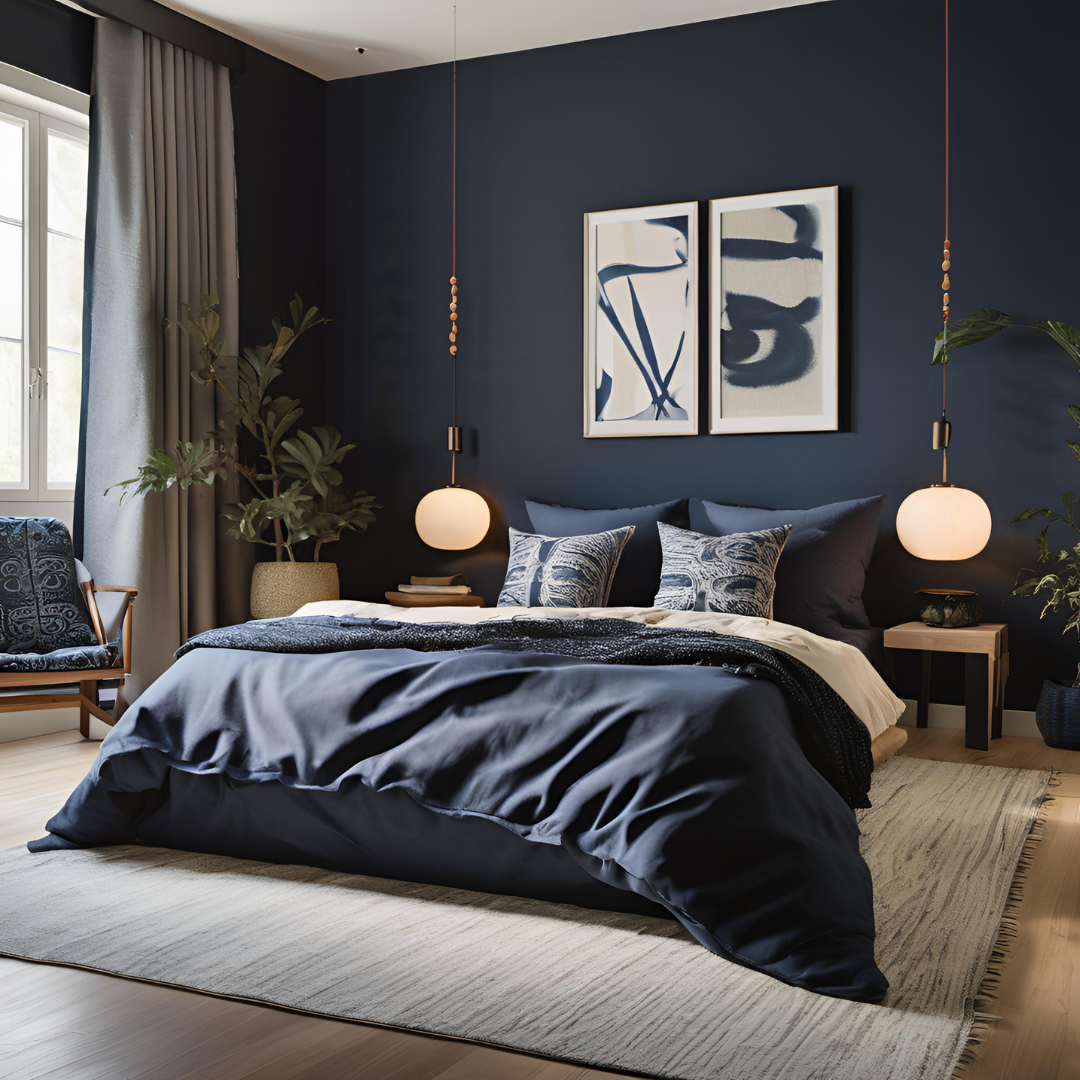
Harmony in Interior Design
Achieving harmony between sustainability and trends
When it comes to harmonizing sustainable design principles with ever-changing trends in interior design, I believe that finding the perfect balance requires a thoughtful approach. Here’s my take:
1. Trend Evaluation: Function Over Fad
Not all trends deserve adoption. For example:
-
Biophilic design (trend): Integrate plants like Ficus elastica to improve air quality and acoustics—perfect for open-plan offices needing noise control.
-
All-gray interiors (fad): Risks sterility; clashes with warm, sustainable materials like reclaimed wood.
2. Start with Sustainability in Mind
A blank slate lets you embed eco-principles early. Key steps:
Define goals: Energy efficiency, accessibility, or carbon neutrality.
Analyze the site: Use natural light and regional materials, as seen in our Alpine Retreat project, which cut energy use by 40%.
3. Design for Real People
A user-centric approach ensures spaces resonate emotionally and functionally:
Residential projects: Prioritize ergonomic layouts and smart storage.
Hospitality: Opt for durable, low-VOC fabrics (e.g., recycled polyester) for high-traffic lobbies.
4. Site-Specific Sustainability
Every location offers unique eco-opportunities:
Natural ventilation: Ideal for tropical climates, reducing reliance on AC.
Solar orientation: Position windows to maximize sunlight, as demonstrated in our Urban Eco-Loft case study.
5. Eco-Conscious Material Choices
Energy-efficient lighting: Pair LED systems with motion sensors.
Circular economy: Repurpose demolition waste into art, like our Zero-Waste Café project, which reused 90% of construction debris.
6. Celebrate Culture, Avoid Cliché
Spaces should reflect their community without tokenism:
Example: A Mumbai office used hand-blocked wallpaper by local artisans, blending tradition with modernity.
7. Less Is More: The Power of Editing
Remove elements that lack purpose or harm sustainability:
Avoid: Synthetic decor, single-use fixtures.
Embrace: Multifunctional furniture and minimalist layouts.
more
Linkedin
To order projects leave a message on linkedin or Instagram, I will respond as soon as possible.
@2024 . Created By Yasis Studio
